

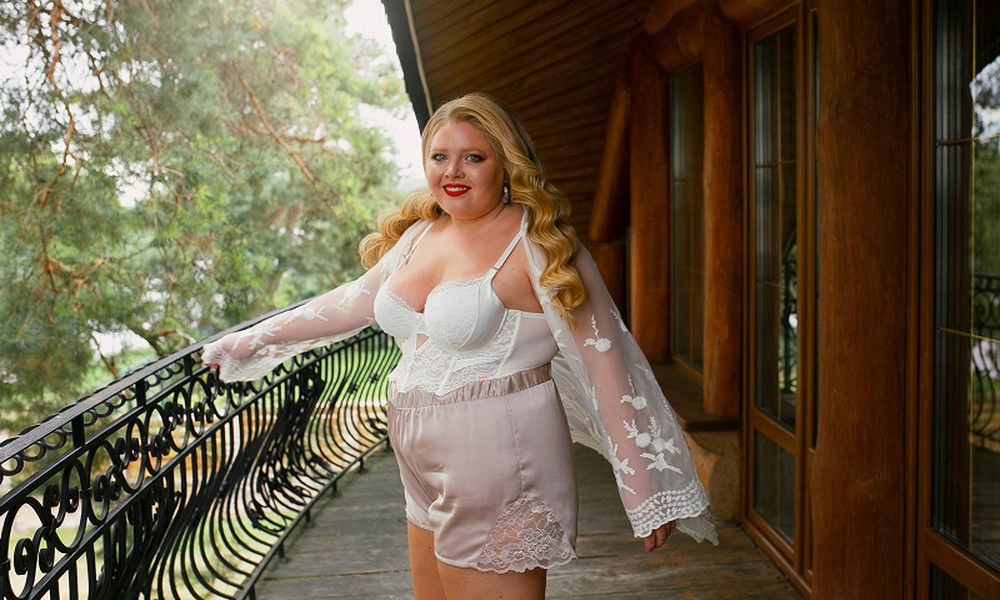
Key Takeaways
- Plus-sized lingerie has improved in sizing, representation, and comfort, but gaps remain in consistency and availability.
- Functional design-support, stretch, and structure-is now better addressed in plus-sized lingerie collections.
- Aesthetic variety still lags, with limited daring or fashion-forward options compared to standard sizing.
- Retail access, including in a sex shop, can still feel restricted or inconsistent for plus-size consumers.
Introduction
The plus-sized lingerie market has evolved from being an afterthought into a recognised category with real demand. Brands are no longer treating extended sizes as simple scaled-up versions of smaller pieces. Instead, they are starting to design with body diversity in mind. However, improvement does not mean completion. While plus-sized lingerie gets several things right today, it still falls short in areas that affect both confidence and purchasing experience.
Where Plus-Sized Lingerie Gets It Right
One of the most significant improvements is fit engineering. Earlier designs often ignored the structural needs of fuller bodies, resulting in poor support or discomfort. Today, many plus-sized lingerie pieces incorporate wider straps, reinforced bands, and better cup construction. These are not cosmetic changes-they directly affect wearability. Consumers now have access to items that stay in place, distribute weight properly, and provide actual support rather than relying on stretch alone.
Material choice has also improved. Brands are increasingly using fabrics that balance elasticity with durability. This approach matters because plus-sized lingerie needs to handle tension differently. High-quality mesh, lace blends, and stretch satin are now more common, offering both flexibility and resilience. The result is lingerie that maintains shape after repeated wear instead of quickly losing structure.
Representation has also shifted. Marketing campaigns are gradually including diverse body types, which changes how consumers perceive the category. Seeing realistic body shapes wearing plus-sized lingerie helps set more accurate expectations. It also reduces the disconnect between product images and actual fit outcomes.
Where It Still Falls Short
Despite progress, aesthetic variety remains limited. While standard-size lingerie often explores bold cuts, intricate detailing, and trend-driven designs, plus-sized lingerie collections tend to stay within safe boundaries. Black lace, basic bodysuits, and conservative silhouettes dominate. This instance creates a gap for consumers who want the same level of creativity and experimentation available in smaller sizes.
Sizing inconsistency is another issue. There is still no universal standard across brands, which leads to confusion and frequent returns. A size that fits well in one label may feel completely different in another. This inconsistency adds friction to the buying process, especially for first-time buyers who are still figuring out their correct fit.
Retail experience also needs improvement. Even when visiting a sex shop in Singapore, plus-size options may be limited to a small section or offered in fewer styles. This situation restricts choice and reinforces the idea that extended sizing is secondary. The lack of inclusive displays in physical stores can make browsing less comfortable, while online platforms often lack detailed fit guidance for larger bodies.
The Gap Between Function and Fashion
There is still a noticeable divide between functionality and design ambition. Many plus-sized lingerie pieces prioritise support, which is necessary, but this often comes at the expense of visual appeal. The challenge is not choosing one over the other-it is integrating both. Consumers want pieces that feel secure without looking utilitarian.
Brands that successfully combine structure with style tend to stand out. However, these are still exceptions rather than the norm. The majority of offerings remain either highly functional but plain, or visually appealing but lacking proper support. Bridging this gap requires more specialised design investment rather than adapting existing templates.
What Needs to Happen Next
Brands need to treat plus-sized lingerie as a core category rather than an extension to move forward. This approach means designing from the ground up, not scaling existing patterns. It also requires expanding style ranges to include the same variety seen in standard sizes.
Retailers must also improve accessibility. Whether online or in-store, the goal should be equal visibility and choice. Providing accurate sizing tools, detailed product descriptions, and broader selections can reduce friction and increase customer confidence.
Conclusion
Plus-sized lingerie has made measurable progress in fit, comfort, and representation, but it still has clear limitations in style diversity, sizing consistency, and retail accessibility. The category is no longer neglected, but it is not yet fully developed. Closing the gap requires treating plus-size consumers as a primary audience rather than an afterthought, with equal attention to both function and design.
Contact Horny.sg to explore lingerie collections that prioritise fit, structure, and style in equal measure.