How Centennial’s Dry Climate Can Still Support Cockroach Activity Indoors in November
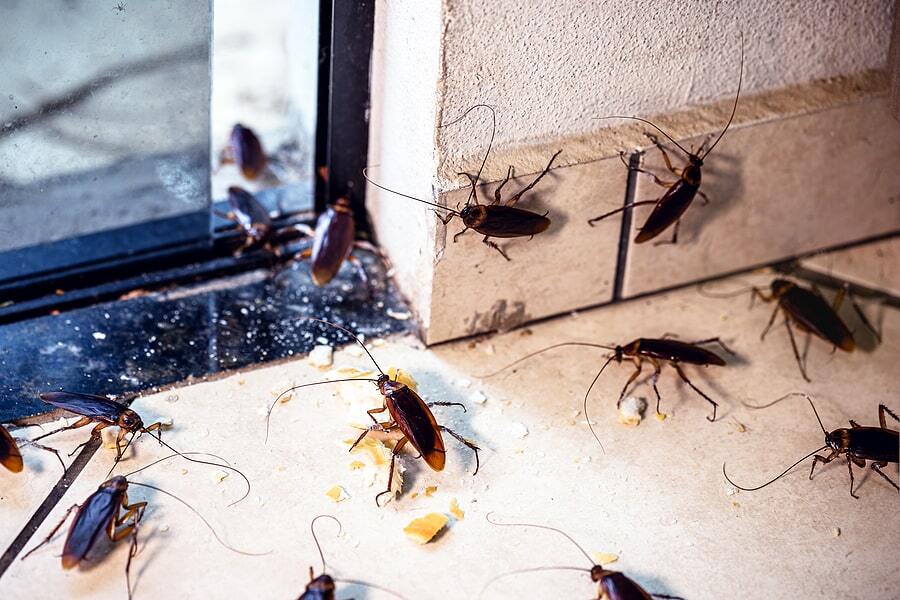
Many Centennial residents believe the low humidity and cool November air create an unwelcoming environment for cockroaches. You might be thinking: with an average relative humidity of 35-40% during the fall months, these pests surely cannot live here. Yet Centennial residents repeatedly file reports of cockroaches in late fall and indoors, with reports most common in kitchens, bathrooms, and basements.
In reality, the indoor environment in your home behaves differently from the dry outdoor air. These tenacious bugs do not require the outside air of Colorado to be on their side; they have discovered everything they need inside your walls. Professional pest control services can help you remove roaches and keep your home pest free in Centennial before the problem progresses if you find them at the start of fall.
The Myth: “Cockroaches Cannot Survive in Dry Places.”
Many Centennial homeowners fall prey to the notion that cockroaches require hot, humid climates to live, which allows their guard to drop. Sure, some cockroach species prefer moisture-prone habitats, but others are spectacularly well-adapted to drier climates. The German cockroach is the most common indoor species, and this pest can survive on very little water because it obtains the water it needs from its food. They have also been discovered living in homes with as little as 30% humidity.
Dry climates may give people a false sense of security, leading them to believe the environment is inhospitable to cockroaches. Whatever the reading on the hygrometer outside your front door, it may be allowing these pests to find everything they need right in your home, here in Centennial.
How Indoor Micro-Climates Override Outdoor Weather
-
Kitchens Create Their Own Humidity Zones
Your kitchen is basically a biome in and of itself, entirely unlike the weather outside Centennial. So every time we boil water to make pasta, run the dishwasher, or wash vegetables in the sink, we are adding moisture to the air. Research has shown that one room can spike to 10-30% relative humidity from cooking activities.
-
Bathroom Moisture Lingers Longer Than You Think
The high and dry of Centennial may leave your skin tight, but your bathroom has other ideas. Taking hot showers produces steam that stains surfaces and penetrates cracks where cockroaches hide. Centennial homes built prior to 2000 lack provisions for proper bathroom ventilation, and building inspectors report that, of these homes, as many as 68% have confirmed moisture accumulating in wall voids and under flooring.
-
Food Storage Areas Offer Complete Life Support
Centennial homes come with the complete package for cockroaches, pantries, and food storage areas that provide shelter, food, and often moisture from produce storage or minor plumbing leaks. These pests require little; a few crumbs behind your toaster or one on the back of a cupboard can be enough to feed a colony. The constant, controlled temperature of your home (which you typically keep between 68-72°F all year) provides stable conditions for cockroaches that wild outdoor conditions never can.
How Pest Control Can Help & What Makes Them Important
Pest management is not just about spraying chemicals when you see a cockroach run across your floor. The best technicians know exactly which problems Centennial’s climate creates and where cockroaches hide, given the types of home construction seen in this area. Saela Pest Control, covering many Centennial neighborhoods, can help you eliminate what you have and prevent what could come with a comprehensive integrated pest management plan. They concentrate on finding entry points, removing moisture sources, and treating the actual roach habitat, not just where you see them.
The technicians know that if one cockroach is seen in the kitchen, there are more living in the wall voids or under the appliance. Unlike one-off treatments, they partner with homeowners to ensure long-term solutions that account for seasonal behavioral changes and the unique indoor environments created by many Centennial homes during the winter months.